
The knock at the door...
- 16-20 energy gel wrappers
- 8 water bottles
- 3 plastic transition bags
- plastic athlete wristband
- plastic packaging on that thing you panic bought in the days leading up to the race that will save you 10 seconds....
That was just for me at my last punt at Ironman Wales in 2017.
If you multiply those figures by the circa 3000 athletes racing, you end up with some pretty big numbers indeed;
60,000 gel wrappers - 24,000 water bottles - 9,000 plastic transition bags
That is without even taking into account the water bottles, coffee cups, food wrappers etc that the spectators at the event produced...
The journey...
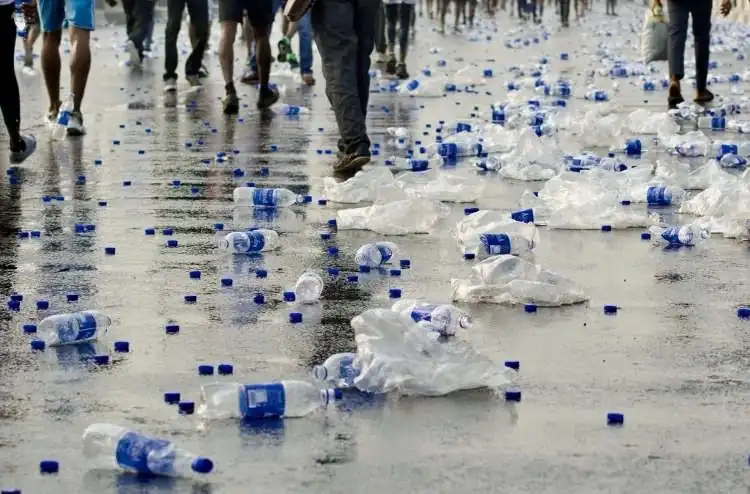
Dropped here...
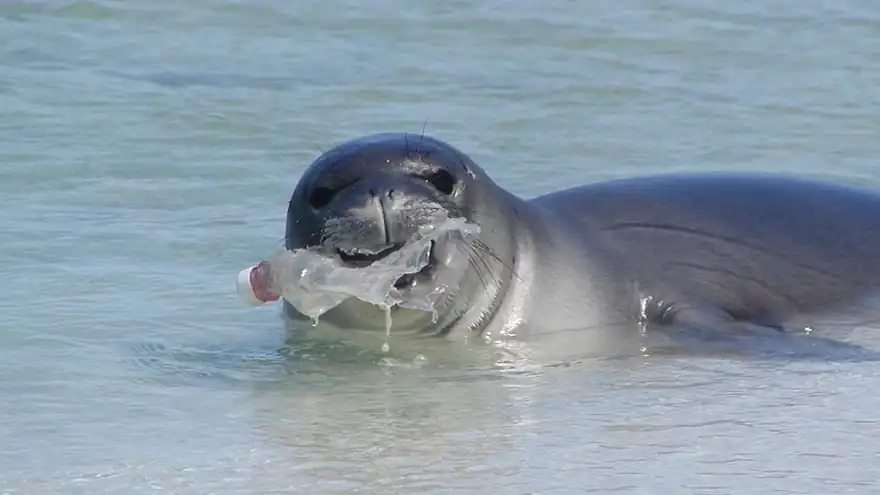
Confused for food here...
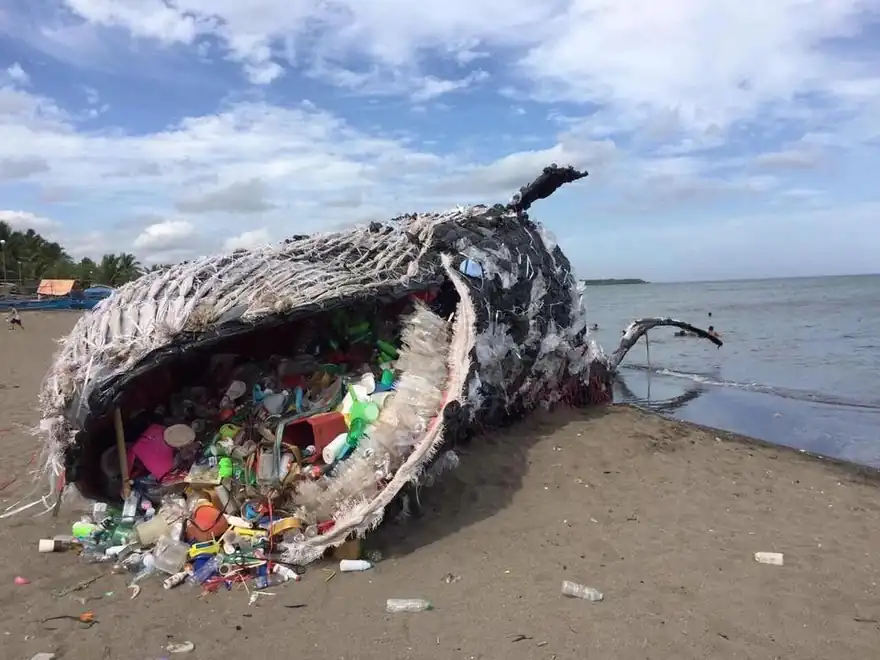
Dies here.
Whats The Problem?
Well sadly there are a lot of us, humans I mean and through combination of laziness and time crunched lifestyles we pick lifestyle choices that tend to create a lot of waste.
In 1950s, the worlds population was roughly 2.5 billion people... back then we produced 1.5 million tonnes of plastic. In 2016 that population increased to 7 billion people who produced a whopping 320 million tonnes of plastic. Surfers Against Sewage suggest this will double by 2034.
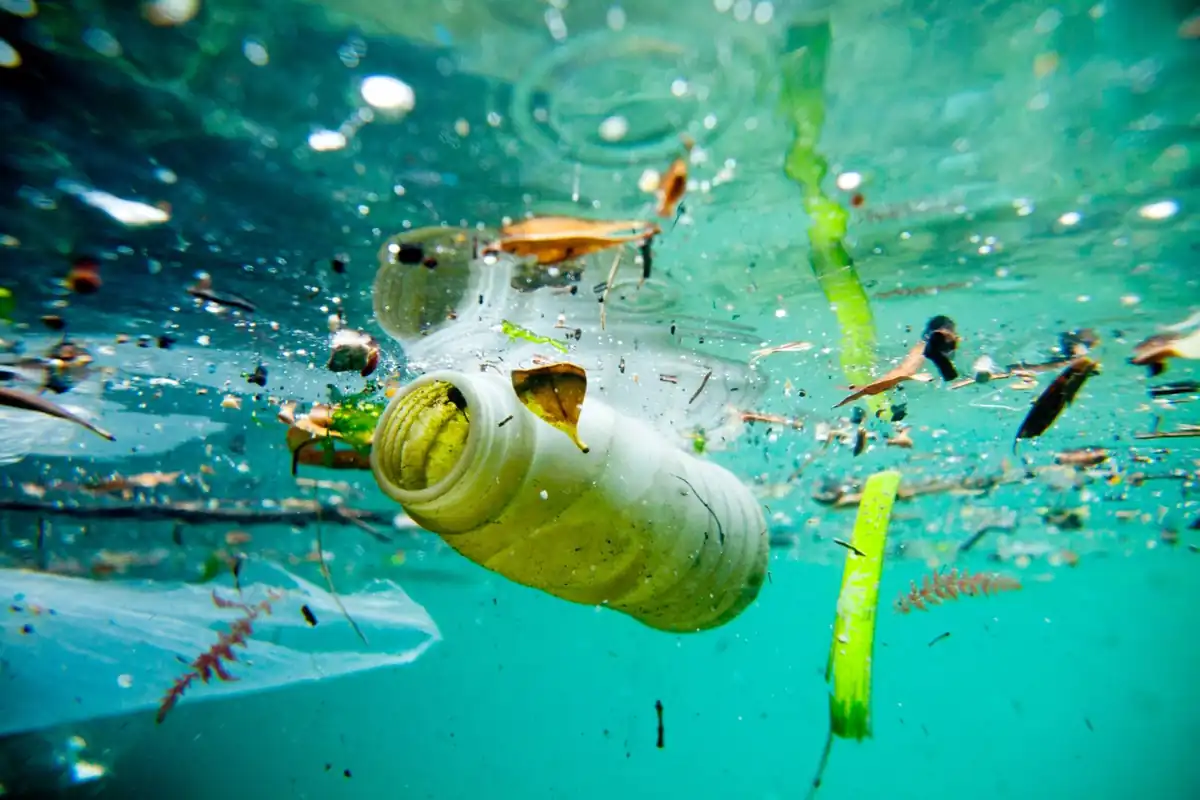
Plastic is great, it's strong, flexible and durable...but it can last for 450 years in a marine environment. This plastic slowly fragments into smaller and smaller pieces that are eventually eaten by the smallest marine organisms who are in turn eaten by slightly bigger organisms again and again and again until the point where fish that feature in our food chain such as your cod, mackerel or snapper, have a stomach full of it.
1 in 3 fish that are caught for human consumption now contain plastic. Plastic which has been acting like a magnet to cancer causing chemicals the entire time it's been floating about.
Just consider this... by 2050 there will be more plastic in the sea than fish (Ellen MacArthur Foundation). What are you going to have for your high protein lunch then? A plastic bottle and quinoa?
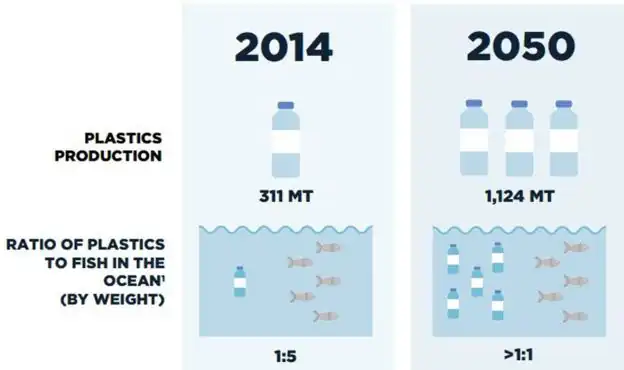
(Ellen MacArthur Foundation)
Triathletes spend countless hours training their bodies, eating clean and honing their performance so on race day they can go for the win or the PB of their dreams. Do we really think that eating food laced with plastic and chemicals a good foundation for our performance? All caused by us not being able to spend a few pounds on a keep cup for that coffee you need after a big session, or remembering to take a water bottle with you rather than buying a plastic one because you feel a bit dehydrated.
Laziness is the killer people. It just takes some thought, a little bit of time and a tiny bit of preparation and I'd bet you that you could cut out at least 50% of the plastic waste you produce a week.
Why This Is Important To Me?
So over last winter I was lucky enough to travel to Indonesia and West Papua to learn to scuba dive and assist with a marine conservation project.
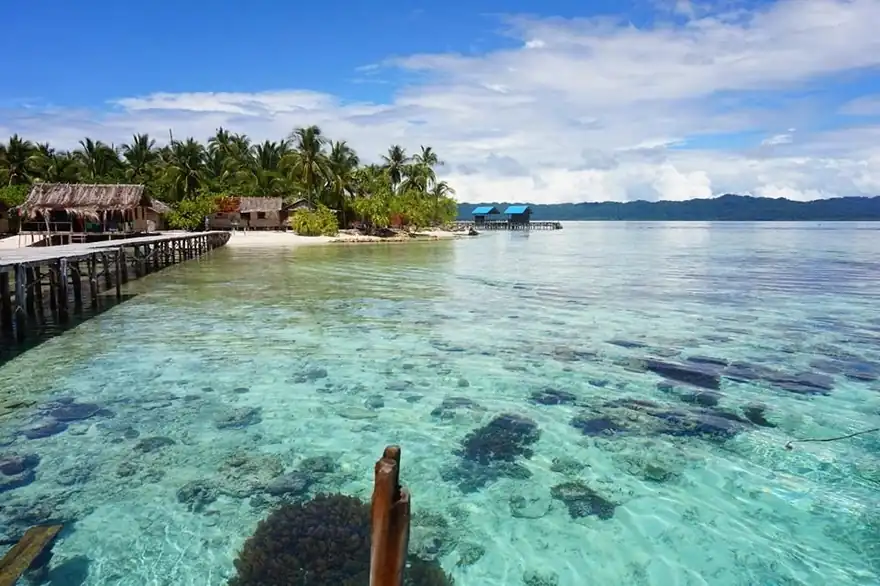
Now this place place was like a dream, like something from one of those 10 places you need to go before you die. It has been dubbed THE epicentre for marine biodiversity and is one of the last places on earth you can see live coral.
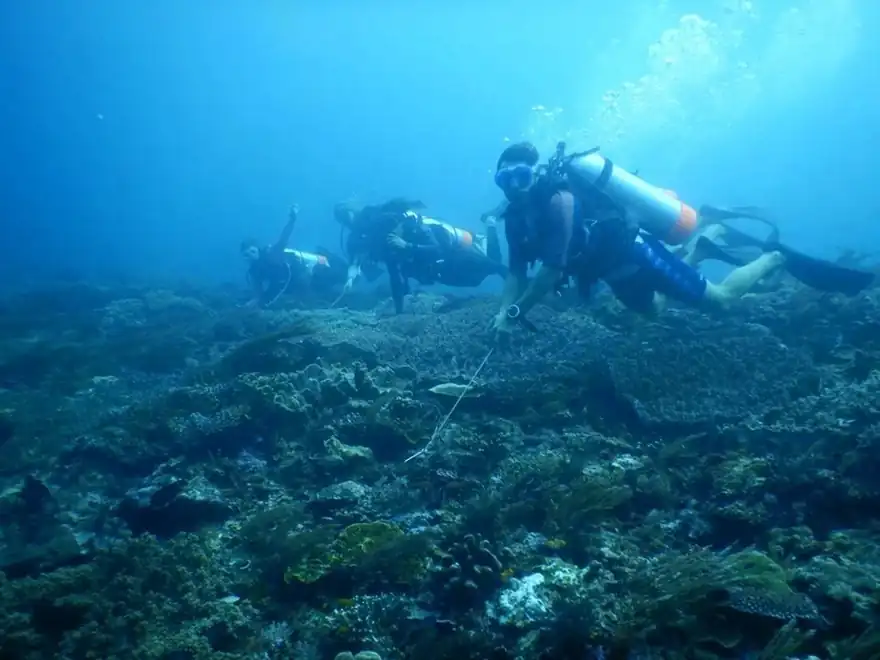
I remember being at 29 meters deep at a dive site called Blue Magic. This dive site is in a deep channel located an hour boat ride from any form of civilisation. I was sat there watching a beautiful Oceanic Manta Ray cruise by and I turned around to see 3 plastic bags and a pink coat hanger. I just felt angry... angry that not everyone could see that something as trivial as accepting a plastic bag in a shop or a straw in a bar is ruining one of the true remaining wonders of the world.
It wasn't just at depth that plastic was to be found. On every beach at every high tide another wave of plastic arrived. Straws, cups, flipflops, lighters, toothbrushes, rope, earbuds, bottles, bags... the list goes on...

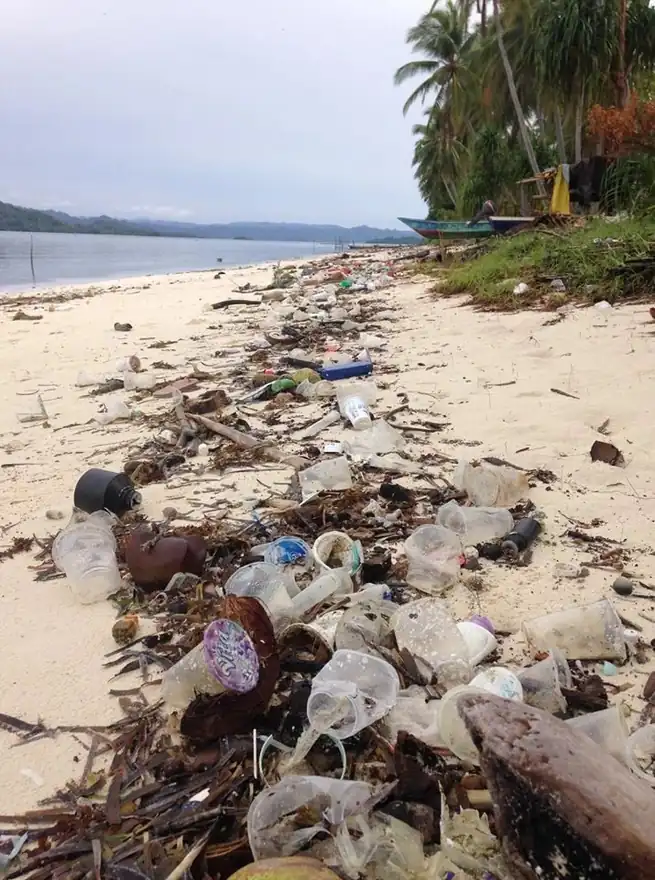
This is what laziness causes!
Now I bet the number of triathletes queuing up to ditch the plastic would increase 100% if I told you that reducing your plastic footprint would make you 10% faster.
Well actually I am saying that!
I believe choosing to lead a more considered existence with a lower plastic footprint will make you faster. How you say? Like this;
- By thinking a bit more about good quality nutrition and preparing your meals you are less likely to buy those faddy plastic wrapped snacks. Ask yourself, do you really need to buy a small plastic packet of nuts and berries when you can buy them in bulk from a health food store for a fraction of the price.
- Get yourself a good quality "keep cup". That way you can still get the flat white caffeine fix to make it through your swim session and pay less for it thanks to the coffee shops offering a discount if you bring your own cup.
- Buy a reusable water bottle. By having a refillable vessel you will be able to stay on top of your hydration and wont need to buy bottled water. Dehydration = lower performance. Refilling your bottle is should be free (check out Refill.org for more info!) so you're saving money there.
So by ditching plastic I've saved you money, fed you better, kept you caffeinated and improved your hydration. Tell me how that wont make you faster! Oh and before I forget you've cut your disposable plastic footprint by a huge percentage.
Cool Ideas...
So I'm already heavily invested in going low plastic but there are a few areas that I think I can improve;
At the start of the blog I mentioned energy gels. For me this is my go to source of energy for Ironman racing. I usually buy packs of gels then work out how many I need for the race, empty them into my drinks bottles and water down. This leaves me with sometimes 20 plastic gel packets that cant be recycled.
So I know I need 415g of carbohydrate for my 5 hour 30 minute bike split at Ironman Wales. At the moment this comes in the form of 16 gels but after much researching I've found that a 3:1 ratio combination of Honey (82g carbs per 100ml) and Blackstrap Molasses (74g carbs per 100ml) would give me everything I need.
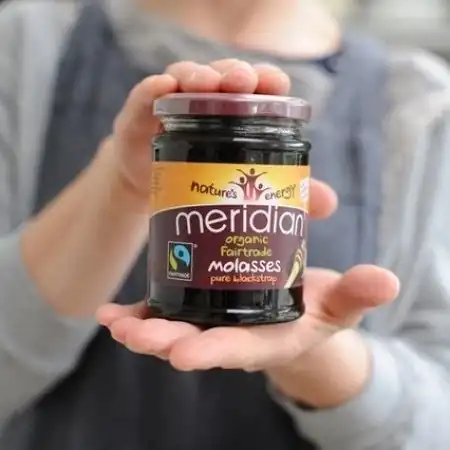
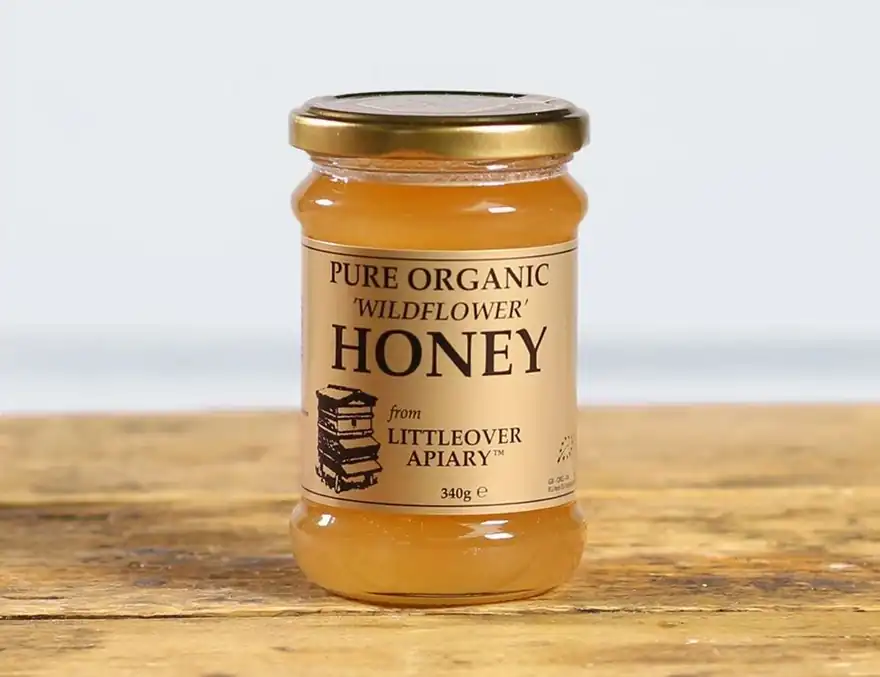
The recipe for each of my 750ml water bottles looks like this;
Honey - 189ml Blackstrap Molasses - 70ml Water = 491ml
Simple, clean and and natural organic energy. Zero plastic waste and much cheaper than energy gels. I've trialled this on several long intense rides and it works just as well as the energy gels.
Plastic Heroes
- I raced the Immortal Sports Wimbleball Half Iron distance triathlon last month. I wanted to give them a shout-out for running a zero plastic hydration station on the bike and run legs. Although it took some time to stop and refill your own bottle, everyone had to do it and we saved a huge amount of plastic waste being produced.
- It's the little things that count! I participated in the Wheels in Wheels Forest of Dean Spring Classic Sportive in May. They provided zero plastic fixing straps to use when fixing your race number to your bike. This must have saved over 2000 plastic cable ties being wasted. Kudos!
- Big shout out to Finisterre for launching their Microplastics Collection. These are all made from Econyl, a fabric made from regenerated Nylon from our oceans and landfills.
- Not only do the pro cycling Team Sky have a Welsh man who is faster than me on a bike, they've also taken plastic pollution to arguably the biggest stage in professional sport. Check out Team Sky's Ocean Rescue initiative!
To quote a good friend of mine...."if we all do a little bit more, everyone can do a little bit less". Do your bit towards reducing plastic pollution and lets clean up triathlon!!!! (and go faster in the process!!!!)
Train with Horsepower
If that is how you like your coaching, straight and built for your race, take a look at the training plans or see how coaching works.