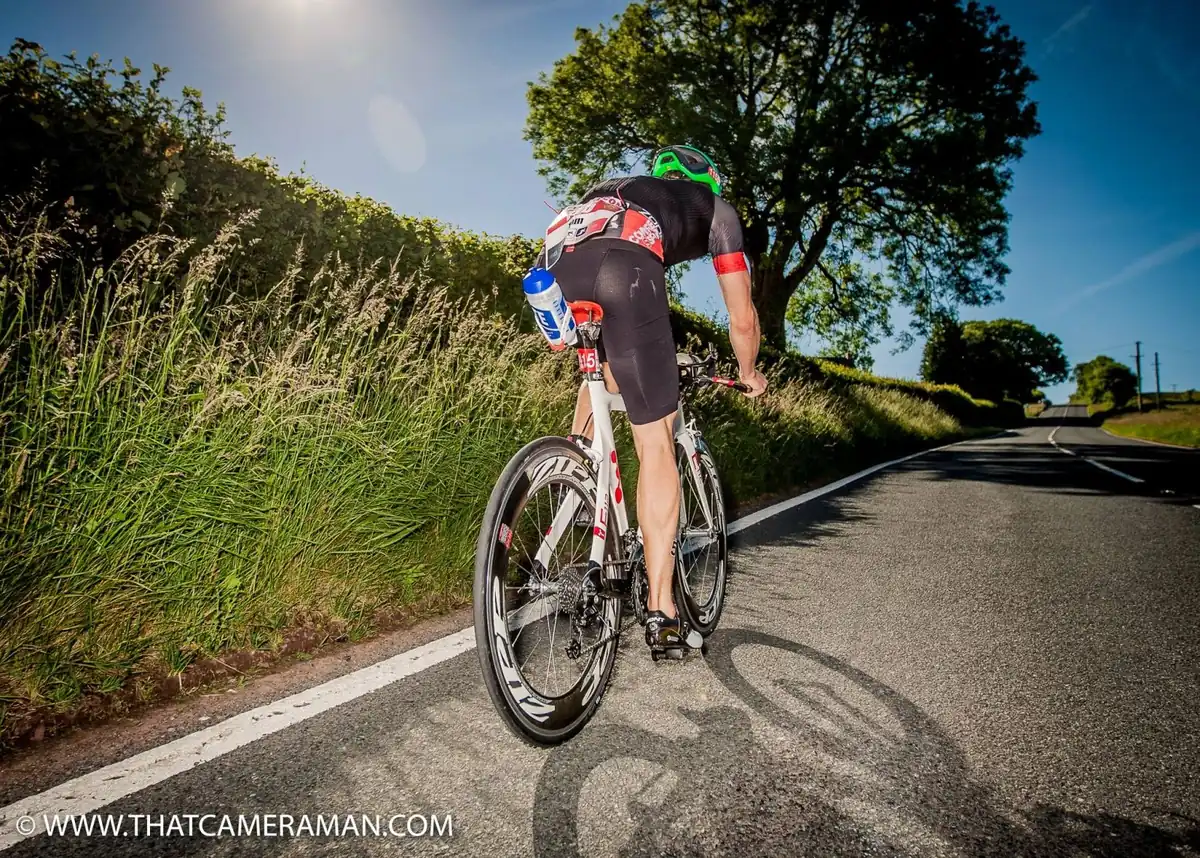
So since Covid-19 is trying to derail any hopes of a long race season in 2021, I thought it was worth sharing a few of my top 10 triathlon mistakes to make sure you hit the ground running when you can toe the start line.
Every single one of these was unfortunately learned the hard way so this is your golden opportunity to learn from someone else's mistakes rather than doing them yourself.
Tip #1 The 7 P's
Proper, prior, preparation, prevents, piss, poor, performance... There are a few different versions but I like this one the most.
It's probably fair to say you could rock up at a triathlon with no prep and just see how it goes and if you're already fit you might do very well. But the thing that differentiates triathlon from most other sports is the fact you're dealing with 3 different disciplines, multiple pieces of equipment/footwear/clothing, event specific procedures and rules, getting some good quality preparation in before the event reduces the likelihood you will be tripped up by something silly and ruin your chances of a PB.
- One of the best ways to learn more about triathlon is to join a club, there you can share knowledge with other athletes. You can use the club search tool on British Triathlon to find one.
- Get a Training Plan - Understanding the kind of training, the quantity of training and the intensity of that training isn't easy. It sounds obvious, but speaking from my own training/coaching experience, most people will avoid the training they find difficult and revert to the stuff they like or that makes them feel good. Annoyingly the things they find hard are usually the ones that will make them better. Getting a plan will help you understand what an effective plan should look like, but that is only a 2 dimensional image. Read on to find out how to go 3D.
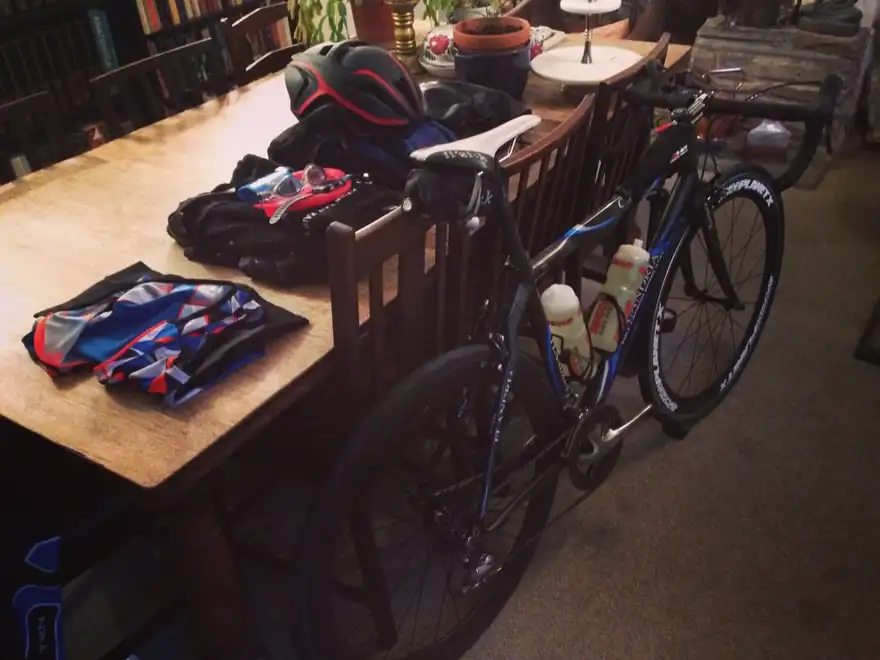
- There are plenty of athletes who have reached great success being self coached, but get a good coach and they can help make your triathlon journey much more enjoyable by guiding you through the pitfalls of multisport. Part of the benefit of getting a coach is to have someone understand you and design a training plan around your life and target event. Getting that specificity and volume right can make all the difference in success or failure. But for me the main benefit of being coached is being accountable to someone and having someone look at your training and progress objectively. This is something that's almost impossible to do for yourself and is the reason although I'm a coach, I'm being coached for my main event in 2021. You can get in touch with any triathlon training or preparation questions here. Hot Tip - Either enter a warm up race or if you can't, arrange a mini event where you trial all of the kit, equipment and nutrition you aim to use on race day.
Tip #2 - Don't be a Magpie
Although for an athlete, triathlon is a journey of self improvement and a quest to overcome adversity, its important we all understand how big business triathlon is... in 2015 the global triathlon market was worth £8.6billion. We've all see race entry fees skyrocket in the last few years so I'd hate to imagine what that number is now.
All you need to do is buy your favourite triathlon magazine or log onto any triathlon related website and you'll see endless adverts for the new and shiny piece of tri equipment or clothing that is sure to shave seconds, minutes or hours off your personal best.
I definitely wont deny there are pieces of kit that can make your life better and possibly make you faster, but there are three things that are almost certainly going to make you faster and give you more consistent performances in triathlon:
1. Using kit that fits you, kit that you know and kit you trust (it doesn't have to be new) - Thinking back to Ironman Nice in 2016. I got suckered in to buying a new set of socks because of their supposed magic compression, foot cooling, fatigue reducing ability... I'd worn these once for some taper runs going into the event and opted to roll with them on the run. I ended up losing most of the skin on my feet when they duly turned into cheese graters half way around the marathon. Not fun.
2. Saving your money and training a bit more - I'd bet anyone reading this if any time they nearly bought a new bit of kit they stopped and did an hour of zone 2 running or cycling, by their next race they would crush their PB.
3. The day before the event, register then steer well clear of the event village. The amount of time you'll spend on your feet wondering around looking at new and shiny will do nothing for a strong performance the day after. Do your prep sessions, get home to rest, rehydrate and refuel. Most importantly remember why you're there and all the sacrifices you've made to get you to that point where you're poised to crush that race.
Tired Legs + New Kit = Slow Racing & Sore Feet
Rested and Refuelled body + Calm Focussed Mind = Fast Racing & PBs
Tip #3 - Be Hungry
That leads me neatly on to talking about being hungry. Now I'm not talking about food, I'm talking about psychology. One thing I've seen from my own journey as an athlete and coach is how bad triathletes are at resting and taking a physical or mental break from the sport.
Ask yourself, how many times have worried “What if I lose my fitness during a break?" or "Will all of my hard work will be wasted if I take a day off?”
Now you might be wondering, why is he talking about being hungry and then going on about taking time off but I'll tell you one thing I've seen from my own journey as an athlete and coach is how bad age group triathletes are at resting and taking a physical or mental break from the sport.
If you speak to any professional triathlete, taking a real break in the winter is crucial to succeeding in the following season. Your body and mind just needs the time to absorb and reset. Its highly likely that you will come back from a mini break less fresh but no less fit.
I was once told its better to turn up to a race 10% less fit than 1% over-trained. At the time I didn't really understand it until I actually turned up at a race over-trained and psychologically burnt out. This has shaped the way I think about training and coaching because I now put a value on hungriness in a similar way to everyone is fixated on their CTL (chronic training load) in Training Peaks.
One thing I think most coaches miss, is understanding that to get the best out of someone, they need to be up for the fight with psychological capacity/freshness to go deep and keep the pressure on at the painful back end of a race.
So this tip is about listening to yourself and recognising when you need to back off in order to go forward stronger.
Tip #4 Don't Follow the Herd
This one links to the above point about being hungry. Its all too easy to see what everyone else is doing and try to do the same. This might be because you don't want to get left behind or doubt your own direction. What I'm telling you is you are most likely different and might need something different in order for you to succeed. Have courage to strike out on your own.
I've got two examples of this that I've lived so hopefully you can apply it to yourself.
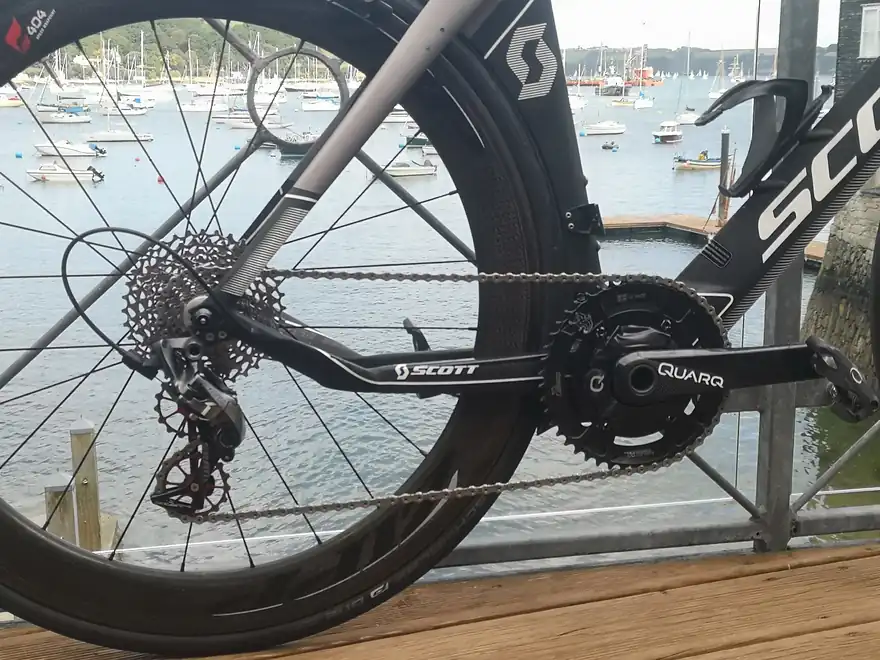
1. Kit So as background I've been a bike mechanic since I was 15 so I know how to adjust a front mech, but I've always hated them. Everyone will have experienced that sinking feeling of hitting a hill, dropping down to the small ring only for the chain to unceremoniously drop into that endless chasm between the crank and your frame leaving you at a standstill. Riding a 2x (two-by / two front chainrings) is a bit of an art when you're coming at it from a variability index perspective (riding smoothly by keeping your normalised power as close to your average power as possible). Being able to move the rear cassette in preparation for the chainring shift to keep your cadence smooth.
When I saw narrow wide chainrings come out and Sram pushing 1x on MTB and off-road I thought "hold up, what if I used that for triathlon??". What if you could choose a single chainring and cassette combo that would give you the same range as a 2x setup so you can still go as fast and climb as easily, but you only have to worry about one gear lever. Wouldn't that be more simple.
My coach at the time thought it wouldn't work as did many other athletes who clocked my setup in transition but I knew that my intended race (Ironman Wales) had such a choppy and changing bike course, having a smooth simple gearing system would be a dream to ride. Now anyone who knows that bike course and knows about variability index will know, riding it smoothly is hard. I rode my 1x TT bike at 1.05 variability index ending up with a 5hr 32minute bike time. The case was closed and a big big win for 1x.
2. Training & Intensity
Now Covid has stranded most of us in our homes so training has largely migrated into the virtual world. Now I LOVE Zwift, Rouvy and anything that breaks the boredom of turbo time and gives you an opportunity to scratch that competitive itch but I think it might actually turn out to be a thorn in many budding triathletes side.
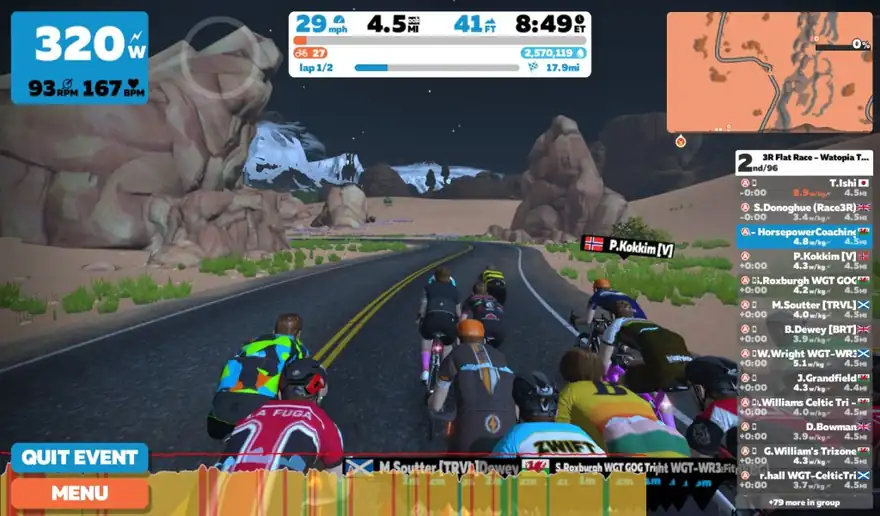
In the last few months I've seen a massive momentum toward racing regularly on Zwift, this is something that should be celebrated but also treated with caution. Being part of a team and racing community is a great way of beating Covid lockdown blues and something I thoroughly enjoyed in the summer, but it also might be the fast lane to overtraining.
I don't necessarily agree that excessive racing this time of the year is the best thing for me or my athletes. Purely because being super fit at Easter isn't going to help you get around an Ironman in September if you've blown your doors by July.
Again, this is just an example of listening to your body, listening to your coach and understanding what is right for you.
Tip #5 - Be Calm
As I've already touched on, triathlon is tough. Its tough because you need to be good at three sports at once to succeed, its tough because you're relying on multiple pieces of equipment and clothing to get around the course, and then there is the big big variable of everyone else racing, the weather on the day, the road surface on the bike course... the list goes on and on.
This tip is a bit more anecdotal but was something I learned in my A race of 2018. I'd decided to go big and took on a pro level training program in the hope of achieving a dream... the illusive sub 10 hour finish at Ironman Wales.
I'd turned up overtrained and a bit burned out, but I was fit. The swim went smoothly with no kit failure or incidents in the water... still on target. The lengthy run from the beach to T1 was fine and went as well as could be expected... still on target.
I dropped my swim stuff and got into my bike kit including a pair of arm warmers because it was pretty nippy... I grabbed my bike and started running to the T1 exit when I noticed my arm warmer wasn't pulled up. I tried to remedy this while running. All of a sudden the front wheel turned and the bike went down on its side... my BTA (between the arms) bottle that had all of my energy gels poured into it opened up and emptied out onto the tarmac before I could pick the bike up.... In the heat of the moment I just grabbed the bike, jumped on and began my assault on the bike course.
I certainly wasn't calm and problem solving on the fly... I carried on riding past feed stops holding my target race power... It wasn't long before the dreaded bonk appeared and I went from 18th overall to more like 100th. I ended up almost collapsing into a feed stop at 85miles on the bike course to refuel.
What I should have done is stopped at the first feed stop on the bike course. Accepted I'd lose a little bit of time grabbing enough nutrition to see me the whole way through the course instead of blindly riding on.
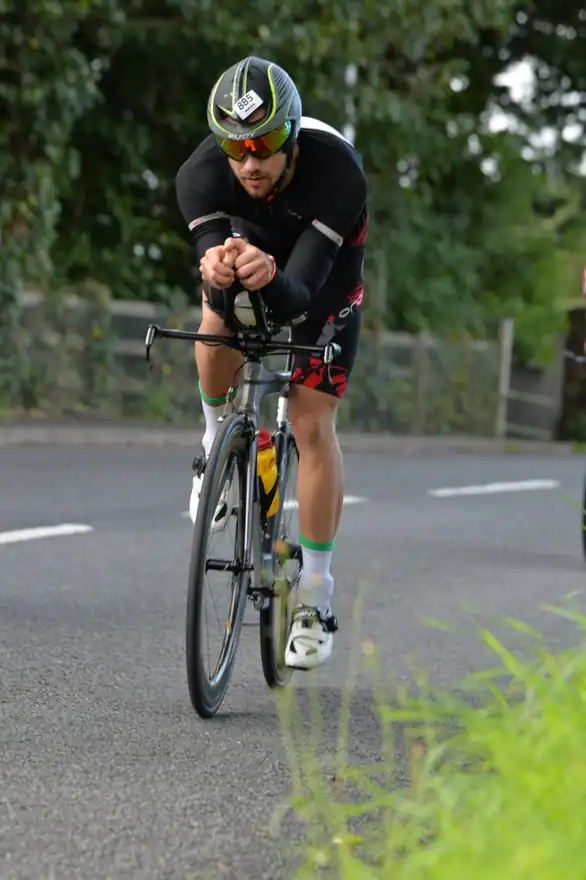
That silly oversight cost me my dream finish. Something I'd rather avoid happening to any of you.
The key with triathlon isn't necessarily being the fittest, sometimes it comes down to who can problem solve on the fly and keep going.
Be calm, keep thinking and just maybe you'll get the race result you want.
Tip #6 - Be Humble
My last tip is about being humble. When you're dealing with something as uncertain as multisport, being anything other than humble is a sure fire way to trip yourself up and look like a tit. I think there is a key transition for competitive triathletes when they stop thinking so much about everyone else who is racing on the day and turn up focussed on racing themselves.
Everyone dreams of an age group or overall finish position, but the thing I've learned is there is always someone faster. You need to focus on the variables that are in your control and try to forget the ones out of your control. That is really the only way to consistently achieve a positive race outcome. That positive race outcome might equate to an age group or overall position, but don't make that your focus.
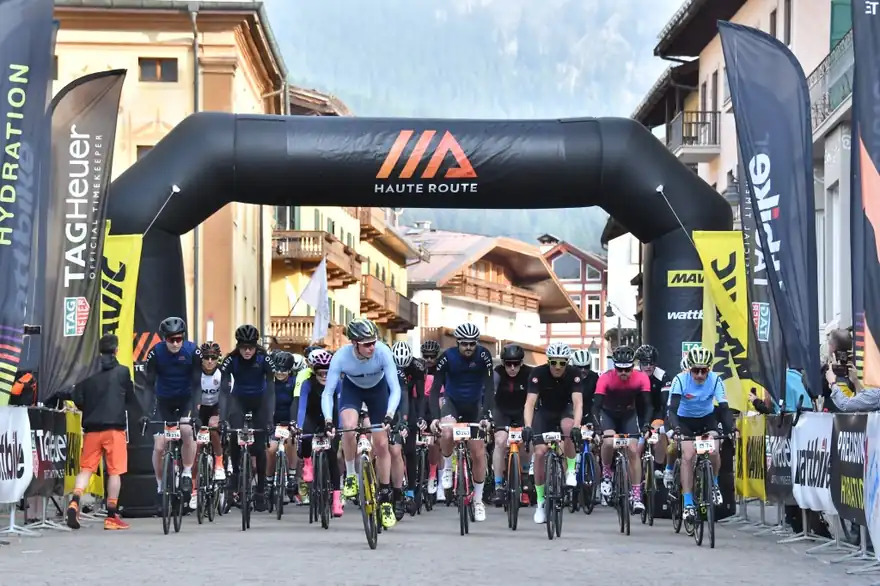
The other thing about this sport is the sacrifice you have to make to get in shape to participate. There are always people around you supporting you on that journey, be it family or friends and its worth remembering them and how your journey might impact their lives.
I hope this list of tips has been helpful. It's probably not the type of list you might have imagined reading about but I think its a list of things that every triathlete should remember.
Happy to chat through any thoughts or answer any questions about any of the other content. Feel free to contact me here.
Train with Horsepower
If that is how you like your coaching, straight and built for your race, take a look at the training plans or see how coaching works.